
What the fieldwork covers
The survey targets 3,000 adults aged 18 years and above across eight districts. Participants are selected from drought-prone and non-drought-prone settings to provide balanced comparative evidence.
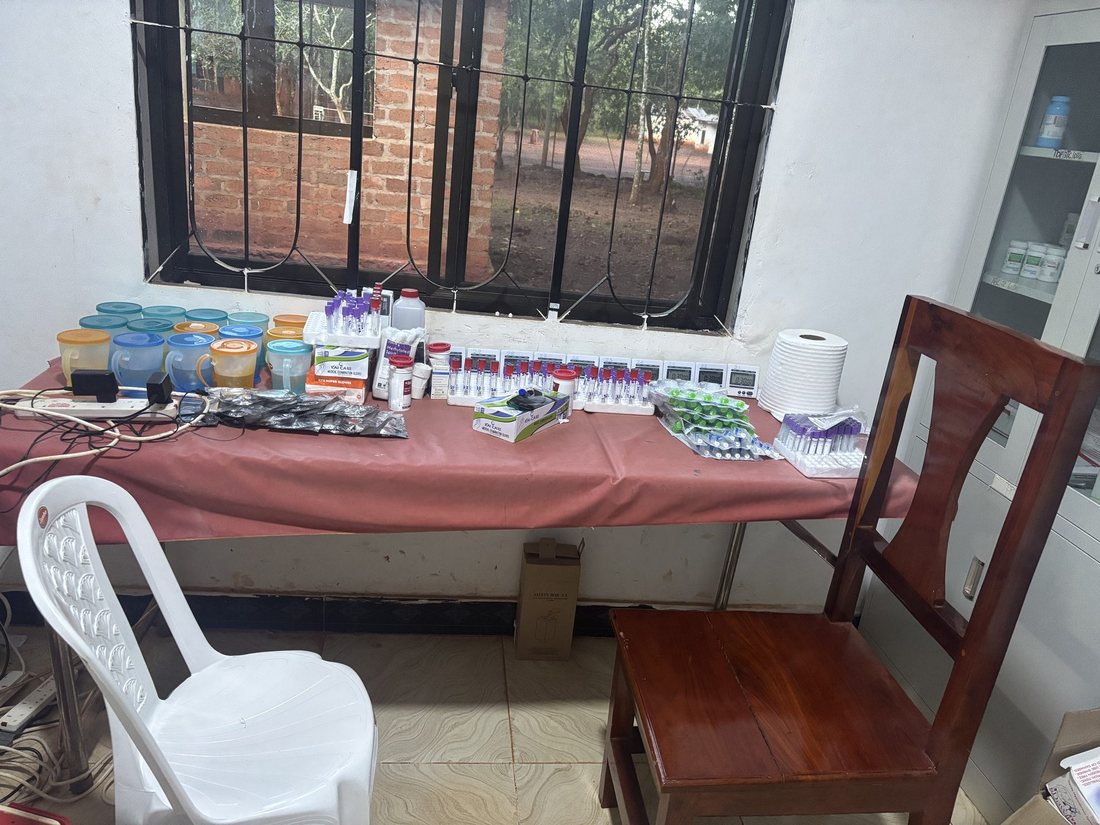
Field teams collect information on non-communicable diseases, migration, food insecurity and related social and environmental factors. The health outcomes include hypertension, diabetes, kidney disease, chronic lung disease and common mental health disorders.
Working with communities
Community health workers and local leaders support mobilisation and access to households. Eligible participants must have lived in the study district for at least one year and provide informed consent before taking part.
The resulting dataset will help the research team assess whether drought exposure and migration are associated with NCD risk among women and men.